

Best Organic Formula for Babies With Reflux 2026
Table of Contents
- Understanding Infant Reflux and Spit-Up
- Symptoms of Infant Acid Reflux to Watch For
- Anti-Reflux Formula Ingredients That Matter
- Top Organic Formulas for Reflux: Comparison Table
- 1. HiPP Anti-Reflux: German-Made Comfort with Locust Bean Gum
- 2. Aptamil AR Anti-Reflux: Reduced Lactose, Enhanced Digestion
- How to Transition to Anti-Reflux Formula
- Managing Reflux at Home: Positioning and Feeding Techniques
- Frequently Asked Questions
Last Updated: August 31, 2026
Understanding Infant Reflux and Spit-Up
Infant reflux is the upward movement of gastric contents into the esophagus, and it's far more common than many parents realize. According to research from Cincinnati Children's Hospital, more than half of all babies experience reflux in the first 5 months of life (cincinnatichildrens.org). Most infants stop spitting up between the ages of 12 to 18 months on their own, without specialty formula or medical intervention. The condition resolves spontaneously in the majority of infants by 12-18 months without requiring anything beyond standard feeding adjustments.
Here's what matters most: distinguishing physiologic reflux (normal spitting up that doesn't harm the baby) from gastroesophageal reflux disease, or GERD (which requires medical attention). Approximately 50% of infants spit up at least once daily during the first 3 months, according to Formula Atlas research. This is developmentally normal. The lower esophageal sphincter, the muscle that keeps stomach contents down, is still maturing. Positional adjustments, smaller more-frequent feeds, and pediatrician consultation are typically the first-line management approach, not an immediate formula switch.
At Bonpek Baby, we understand that parents seeking the best organic formula for babies with reflux 2026 want both safety and effectiveness. When formula changes do become necessary, choosing one with the right thickening agents and reduced lactose content can make a meaningful difference in your baby's comfort and feeding success.
Symptoms of Infant Acid Reflux to Watch For
The most common signs of acid reflux in babies are frequent spitting up, regurgitation, and visible discomfort during or shortly after feeds. Unlike occasional spit-up, reflux that warrants attention tends to repeat after most feedings and may be accompanied by fussiness, arching of the back, or apparent pain.

Watch for these specific symptoms of infant acid reflux:
- Frequent regurgitation after feeds (more than occasional spit-up)
- Arching the back or pulling away during feeding
- Refusing feeds or showing reluctance to eat
- Persistent fussiness or crying, especially when lying flat
- Coughing or choking during or shortly after feeds
- Difficulty gaining weight despite adequate intake
- Stool consistency changes (looser stools or constipation)
Regurgitation of at least 1 episode a day was reported in half of 0- to 3-month-olds, according to research on the prevalence of gastroesophageal reflux during childhood (peer-reviewed research). This symptom decreased to 5% at 10 to 12 months of age. The pattern is clear: reflux peaks early and resolves naturally for most babies.
Anti-Reflux Formula Ingredients That Matter
When a pediatrician recommends anti-reflux formula, the thickening agent is the most important ingredient to understand. The best organic formula for babies with reflux 2026 relies on safe, natural thickeners that increase formula consistency without compromising nutrition or digestion.
Locust bean gum (also called carob bean gum) is the gold standard thickening agent in premium anti-reflux formulas. It's a natural, plant-derived fiber that thickens the formula after it's prepared, helping it stay in the stomach longer and reducing uncomfortable reflux episodes. Unlike starch-based thickeners, locust bean gum doesn't significantly affect nutrient absorption (peer-reviewed research). HiPP AR Anti-Reflux uses locust bean gum as its primary thickening mechanism, making it the EU-preferred anti-reflux thickener with strong evidence for reducing reflux symptoms.
Reduced lactose content is another key feature in formulas designed for digestive comfort. Many anti-reflux formulas lower the lactose (natural milk sugar) compared to standard infant formulas. Lower lactose content means less undigested milk sugar reaching your baby's gut, which reduces fermentation and the gas and bloating that often accompany reflux. Aptamil AR Anti Reflux Formula contains reduced lactose alongside its carob bean gum thickening system.
Prebiotics and probiotics support healthy gut bacteria and digestive function. Formulas like HiPP AR include prebiotics and natural probiotic strains that promote a balanced gut microbiota, which can ease overall digestive comfort and reduce symptoms of stomach sensitivity.
Whey-to-casein ratio matters for digestion speed. Anti-reflux formulas often emphasize whey-based proteins because whey is faster to digest than casein, moving through the stomach more efficiently and reducing the time stomach contents sit and reflux.
There is no clinical evidence that goat-milk formula specifically reduces reflux compared to cow-milk formula. The reflux mechanism is gastroesophageal sphincter laxity plus gastric volume, not protein source. Some families report subjective improvement after switching to goat-milk formula, but this often coincides with the developmental sphincter maturation that occurs around the same age regardless of formula type.
Top Organic Formulas for Reflux: Comparison Table
|
Formula |
Starting Price |
Key Thickener |
Lactose Level |
Best For |
Organic Status |
|---|---|---|---|---|---|
|
HiPP AR Anti-Reflux 600g |
$38.99 |
Locust bean gum |
Standard |
Reflux from birth |
EU Organic certified |
|
Aptamil AR 400g |
$33.99 |
Carob bean gum |
Reduced |
Budget-conscious reflux management |
EU standard |
|
Aptamil AR 800g |
$54.99 |
Carob bean gum |
Reduced |
Families using larger sizes |
EU standard |
|
HiPP UK AR 800g |
$52.99 |
Locust bean gum |
Standard |
Reflux with EU-standard nutrition |
EU standard |
1. HiPP Anti-Reflux: German-Made Comfort with Locust Bean Gum

HiPP AR Anti-Reflux is ranked as the best EU anti-reflux organic formula for 2026, according to Best Baby Formula for Reflux research. This German-formulated option uses locust bean gum as its thickening agent, which is the EU-preferred anti-reflux thickener with strong evidence for reducing reflux symptoms without significantly affecting nutrient absorption.
What sets HiPP AR apart is its balanced approach to reflux management. The formula maintains complete nutrition, prebiotics, probiotics, DHA, ARA for brain and eye development, plus full vitamins and minerals, while addressing the core reflux issue through thickening. The thicker consistency helps the formula stay in your baby's tummy longer, reducing uncomfortable reflux episodes.
HiPP AR uses lactose as the primary carbohydrate (no starch), avoids unnecessary additives, and is free from corn syrup, gluten, soy, and GMOs. For parents prioritizing clean ingredients alongside reflux relief, this formula delivers both. The 600g size at $38.99 is ideal for parents testing whether anti-reflux formula works for their baby before committing to larger quantities.
The main consideration: HiPP AR is not low-lactose. If your baby shows signs of lactose intolerance alongside reflux, Aptamil AR (with reduced lactose) may be a better fit.
2. Aptamil AR Anti-Reflux: Reduced Lactose, Enhanced Digestion
Aptamil AR Anti Reflux Formula combines reflux management with reduced lactose content, making it the choice for babies showing both reflux and signs of lactose sensitivity or intolerance. The formula is thickened with carob bean gum and contains a reduced amount of lactose, a natural sugar found in milk that can be harder for some babies to digest.
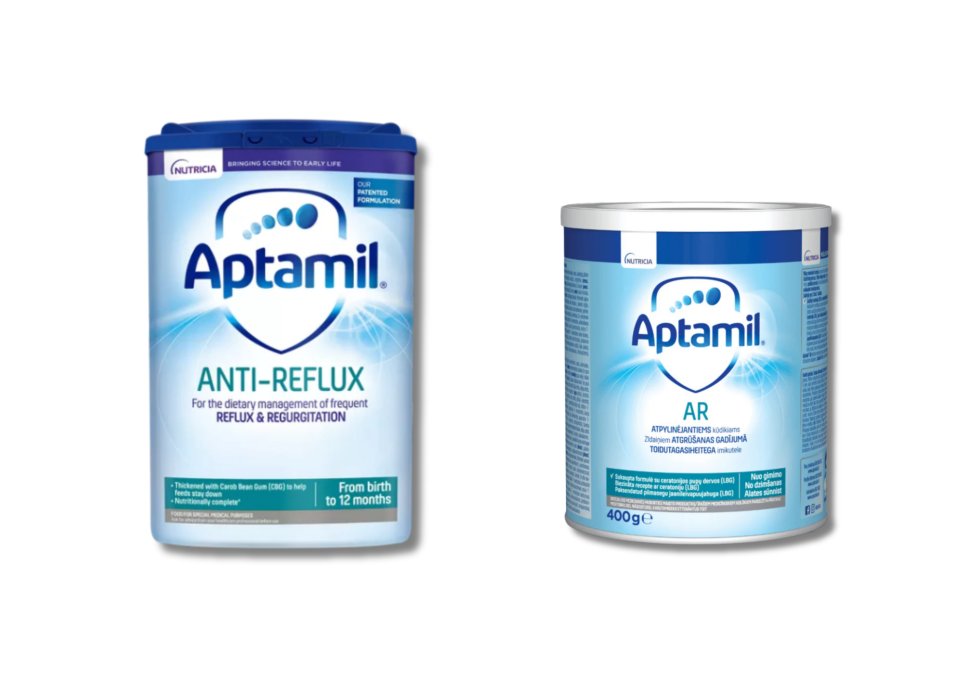
The reduced lactose approach matters because undigested lactose ferments in the gut, creating gas and bloating that worsen reflux discomfort. By lowering lactose content, Aptamil AR helps ease digestion and minimize discomfort for babies with lactose sensitivity, often associated with reflux symptoms. The formula remains nutritionally complete with a balanced blend of carbohydrates, proteins, fats, vitamins, and minerals supporting optimal nutrition from birth onward.
Aptamil offers two sizes: the 400g at $33.99 is perfect for parents trying anti-reflux formula for the first time, while the 800g at $54.99 provides better value for families committed to this formula long-term. Both require 5 minutes of settling time after preparation to allow the thickening agent to fully activate, an important step for optimal reflux-reducing consistency.
How to Transition to Anti-Reflux Formula
Switching to anti-reflux formula should always follow pediatrician guidance, particularly if your baby has been diagnosed with reflux. The transition process matters as much as the formula choice itself, a rushed switch can cause digestive upset and make it harder to assess whether the new formula is actually helping.
Start with a gradual transition over 7-10 days. Mix the new anti-reflux formula with your baby's current formula, slowly increasing the ratio of new formula each day. This approach allows your baby's digestive system to adjust to the new thickening agents and ingredient profile without shock.
Day 1-2: 25% new formula, 75% old formula Day 3-4: 50% new formula, 50% old formula Day 5-6: 75% new formula, 25% old formula Day 7-10: 100% new formula
Monitor your baby's response during this transition. Some babies adjust immediately; others need a slower pace. Watch for changes in stool consistency, feeding behavior, and reflux frequency. A slight increase in fussiness during transition is common, but severe discomfort or diarrhea may mean the transition needs to slow further.
Give the new formula a fair trial of at least 2-3 weeks before deciding whether it's working. Many parents expect immediate improvement, but reflux management through formula change is often gradual. The thickening agent needs consistent use to show its full effect on stomach contents and reflux frequency.
If your baby shows signs of allergic reaction, such as severe rash, vomiting, or difficulty breathing, stop the new formula immediately and contact your pediatrician. These are rare but require urgent medical evaluation.
Managing Reflux at Home: Positioning and Feeding Techniques
The first-line management for infant reflux is not typically a formula switch, it's positional adjustment, smaller more-frequent feeds, and pediatrician consultation to distinguish physiologic reflux from gastroesophageal reflux disease. Even after switching to an anti-reflux formula, positioning and feeding technique remain critical for managing symptoms.

Post-feeding positioning is the most impactful at-home strategy. Keep your baby upright for at least 20-30 minutes after each feed. Hold your baby against your chest in an upright position, or use a baby carrier that keeps them vertical. Avoid laying your baby flat immediately after feeding, gravity works against you when the baby is horizontal. An elevated sleep surface (when safe and appropriate for your baby's age) can also help, though always follow current safe sleep guidelines from your pediatrician.
Burping technique reduces the air trapped in your baby's stomach that can trigger reflux. Burp your baby frequently during feeds, every 1-2 ounces for bottle-fed babies, rather than waiting until the end. Use firm but gentle patting or rubbing on the back while keeping your baby upright. Some babies burp easily; others need patience. Never force a burp if it doesn't come within a minute or two.
Feeding frequency and volume matter more than formula type alone. Smaller, more-frequent feeds are easier for an immature digestive system to handle than large feeds spaced far apart. Instead of 6-8 ounces every 3-4 hours, try 4-5 ounces every 2-3 hours. Smaller volumes mean less stomach distension, which reduces the pressure that forces contents back up into the esophagus.
Bottle feeding technique affects how much air your baby swallows. Use bottles designed to reduce air intake, hold the bottle at a 45-degree angle rather than horizontal, and avoid tilting the bottle so the nipple stays filled with formula rather than air. Paced bottle feeding, letting your baby control the pace rather than letting gravity do the work, also reduces air intake and overeating.
Avoid tight clothing and car seats immediately after feeds. Pressure on the abdomen can trigger reflux. If your baby needs a car ride shortly after feeding, wait 30 minutes if possible, or at least loosen any tight swaddles or clothing.
These positioning and feeding technique adjustments often provide noticeable improvement within days, even before an anti-reflux formula shows its full effect. Many parents find that combining proper positioning with an anti-reflux formula like HiPP AR or Aptamil AR creates the most effective reflux management strategy.
Managing infant reflux requires patience, consistency, and the right support. While reflux is developmentally normal and resolves on its own for most babies, the discomfort it causes is real. When your pediatrician recommends anti-reflux formula, choosing one with proven thickening agents and clean ingredients makes a measurable difference. Bonpek Baby stocks premium European anti-reflux formulas like HiPP AR and Aptamil AR, with US-based shipping that eliminates customs delays and import costs. Get started with the right anti-reflux formula and see how proper positioning and feeding technique work together to ease your baby's reflux discomfort.
Frequently Asked Questions
What is the best organic formula for babies with reflux?
HiPP Anti-Reflux Formula ranks as the top EU organic option for 2026, using natural locust bean gum as a thickening agent to reduce spit-up and reflux symptoms. The organic formula provides complete nutrition from birth while helping feeds stay down longer. Aptamil AR Anti-Reflux is another strong choice, combining reduced lactose with carob bean gum thickening. Both formulas are certified organic and meet strict EU standards, making them ideal for parents seeking clean-label reflux relief.
How do anti-reflux formula ingredients help reduce spit-up?
Anti-reflux formulas work through two key mechanisms: thickening agents like locust bean gum or carob bean gum increase formula viscosity so it stays in the stomach longer, and reduced lactose content minimizes undigested milk sugar that ferments and causes gas. Many also include prebiotics and probiotics to support digestive comfort. These ingredient changes address the root causes of reflux without requiring medication, making them a first-line dietary management approach recommended by pediatricians.
How do I transition my baby to anti-reflux formula safely?
Transition gradually over 7-10 days by mixing increasing amounts of the new anti-reflux formula with your baby's current formula. Start with a 25% blend, then move to 50%, then 75%, and finally 100%. Watch for any changes in stool consistency, feeding tolerance, or comfort. Most babies adjust within 2-3 weeks. Always prepare formula fresh before each feeding, let it cool to 37°C, and follow the manufacturer's instructions exactly. Consult your pediatrician before switching, especially if your baby has diagnosed reflux or allergies.
Is organic formula better for babies with reflux than conventional options?
Organic formulas for reflux offer cleaner ingredient profiles—no synthetic pesticides, artificial additives, or corn syrup solids—which can support sensitive digestive systems. EU organic formulas like HiPP and Aptamil use natural thickeners and avoid unnecessary additives. However, the reflux-reducing effect comes from the thickening agent and reduced lactose, not from organic certification alone. The real advantage of organic anti-reflux formulas is ingredient transparency and the absence of potential irritants, giving parents peace of mind alongside reflux management.
Leave a comment