







7 Signs Powdered Formula Is Spoiled: A Safety Checklist
Last Updated: November 12, 2026
Quick Summary
You can tell if powdered formula is spoiled by checking smell, color, texture, and dates: a sour or rancid odor, dark specks, gray patches, or hard clumps that will not break apart are red flags. Also discard powdered formula that is past its use-by date or more than 30 days since opening.
- Fresh powdered formula should smell mild and slightly milky, pour freely, and mix without hard lumps.
- Soft lumps that break apart easily are usually fine, but hard clumps mean you should not feed the formula.
- Most manufacturers advise using an opened container of formula within 30 days.
- Never buy a can past its use-by date, even at a discount, because formula expires unopened too.
- A bottle your baby has started feeding from should be used within one hour, then discarded.
Table of Contents
- Signs Powdered Formula Is Spoiled: A 7-Point Checklist
- Normal Formula vs. Spoiled Formula: What's the Difference
- The Shelf Life of Formula Powder: Expiration and Use-By Dates
- Does Baby Formula Expire If Unopened?
- How Long a Formula Bottle Lasts at Room Temperature
- What to Do If Baby Drinks Expired Formula
- Preventing Contamination: Storage and Handling Basics
- Choosing Fresh European Formula for Your Baby
- Frequently Asked Questions
Signs Powdered Formula Is Spoiled: A 7-Point Checklist
If you are wondering how to tell if powdered formula is spoiled, start with your senses: smell it, look at it, and feel the texture. Fresh powdered formula should smell mild and slightly milky, pour freely, and mix without leaving hard lumps. Any sour odor, dark specks, or stubborn clumps mean you should stop and check the label before you feed your baby.
Parents often want a straight answer on this. So here is the simple version. Spoiled formula usually gives you at least one clear warning sign. You just need to know what to look for.
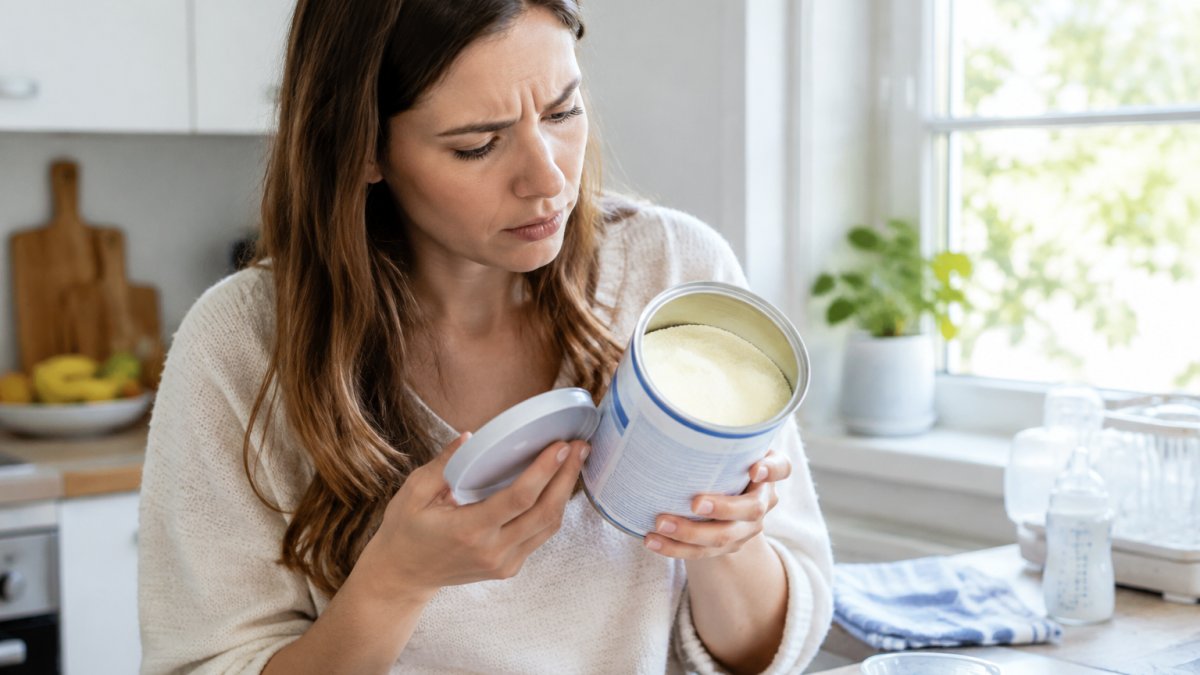
Run through these seven checks before every feed:
- Smell: A sour, rancid, or sharp odor is a red flag.
- Color: Dark specks, gray patches, or a dull yellow-brown tint are not normal.
- Texture: Hard clumps that will not break apart with a spoon.
- Solubility: Powder that floats or leaves grit after mixing.
- Moisture: Damp powder, a crusty ring, or a wet scoop.
- Packaging: Dents, tears, or a broken seal on the can.
- Date: An expired use-by date or more than 30 days since opening.
Smell Changes: Sour or Rancid Odors
Fresh formula has a soft, milky smell. It is not perfume, but it should never make you pull back.
A sour smell is the most common sign of spoilage. It often means bacteria or moisture has gotten into the powder. A rancid smell is different. It is closer to old cooking oil or stale nuts, and it usually points to fats breaking down over time.
Trust your nose here. If the smell makes you pause, do not feed it. One can of formula costs far less than a sick baby.
Color, Texture, and Clumping Clues
Color and texture tell you a lot. Fresh powder is an even, pale color all the way through.
Watch for these changes:
- Dark or brown specks that were not there when you opened the can
- Gray or dull patches mixed into the powder
- Hard clumps that stay solid when you press them with a spoon
- A gritty, sandy feel between your fingers
- A crusty ring around the inside of the can
Soft lumps that break apart easily are usually fine. They often come from humidity in the air. Hard lumps are the ones to worry about.
Normal Formula vs. Spoiled Formula: What's the Difference
The biggest mistake we see is parents throwing out good formula over normal quirks. Powdered formula is not perfectly uniform. It can settle, shift, and change slightly during shipping.
Here is how to tell the two apart:
| Feature | Normal Formula | Spoiled Formula |
|---|---|---|
| Smell | Mild, milky | Sour or rancid |
| Color | Even pale tone | Dark specks or gray patches |
| Texture | Soft, loose, easy to break up | Hard clumps, gritty |
| Mixing | Dissolves with a shake | Floats, leaves grit |
| Can inside | Dry, clean | Damp, crusty ring |
A common mistake is judging powder by color alone. Slight shade shifts between batches happen. The smell and texture checks matter more.
The Shelf Life of Formula Powder: Expiration and Use-By Dates
The shelf life of formula powder depends on two dates: the use-by date on the can and the 30-day clock after opening.
Check the bottom or side of the can for the use-by date. That date assumes the can is unopened and stored properly. Once you open it, the clock resets.
Most manufacturers advise using an opened container within 30 days. After that, the powder can absorb moisture and lose quality, even if it looks fine. Write the open date on the lid with a marker. It is the easiest habit you can build.
For a deeper walkthrough on finding and reading these dates, our guide on how to check baby formula expiration dates covers every label format you will see.
Does Baby Formula Expire If Unopened?
Yes, baby formula expires even if you never open it. An unopened container still has a limited shelf life, and the use-by date on the can is the final word.
Sealed cans protect the powder from air and moisture, but not forever. Fats can slowly break down, and the seal can weaken over time. That is why you should never buy a can past its use-by date, even at a discount.
Two more checks for unopened cans:
- Damaged packaging: Dents, rust, or a bulging lid mean skip it.
- Broken seal: If the foil or lid is loose, the powder is no longer protected.
Store unopened cans in a cool, dry place. Avoid hot garages, cars, and damp cabinets.
How Long a Formula Bottle Lasts at Room Temperature
Prepared formula is a perishable food, and the clock starts the moment you mix it. The limits below reflect common manufacturer and public-health guidance; always defer to the instructions on your specific can if they are stricter.
| Preparation state | Where it is stored | Maximum time | Notes |
|---|---|---|---|
| Unopened powder | Cool, dry pantry | Until the use-by date | Keep sealed; avoid heat and moisture |
| Opened powder | Cool, dry pantry | 30 days after opening | Write the open date on the lid |
| Freshly prepared, not fed | Room temperature | 2 hours | Discard after 2 hours |
| Freshly prepared, not fed | Refrigerator | 24 hours | Store in a sealed bottle |
| Feeding started | Room temperature | 1 hour | Discard leftovers |
| Feeding started | Refrigerator | Do not refrigerate | Discard leftovers |
| Thawed from frozen | Refrigerator | 24 hours | Never refreeze |
A few practical notes on each row:
- Unopened powder is protected by the seal, but the use-by date assumes proper storage. A can that sat in a hot car or a damp garage may degrade faster than the date suggests.
- Opened powder absorbs moisture every time you open the lid. The 30-day window is a quality and safety limit, not a suggestion. If the powder looks damp or clumps hard before day 30, discard it.
- Freshly prepared formula that has not touched your baby's mouth can be refrigerated for up to 24 hours. Label the bottle with the time you mixed it so you are not guessing later.
- A bottle your baby has started feeding from is different. Saliva enters the nipple, and bacteria multiply quickly at room temperature. Use it within one hour, then throw away whatever is left. Do not refrigerate a partially fed bottle to save for later.
- Thawed formula that was previously frozen should be treated like freshly prepared formula: use within 24 hours in the refrigerator and never refreeze.
Watch out: never mix a fresh scoop into a bottle your baby already drank from to stretch the feed. That reintroduces bacteria and defeats the one-hour limit.
If you are unsure which limit applies, the safer choice is always to discard. A wasted bottle is a small cost compared with the risk of feeding formula that has been sitting too long.
What to Do If Baby Drinks Expired Formula
First, take a breath. A small amount of expired formula is unlikely to cause harm in an otherwise healthy baby, but it is worth acting calmly and watching closely.
1. Stop the feed and note the details. As soon as you realize the formula was expired or questionable, stop feeding.
2. Watch for symptoms over the next 24 to 48 hours. Most reactions, if any, show up within this window. Pay attention to:
- Vomiting that repeats or is forceful
- Diarrhea, especially with blood or mucus
- Fever
- Unusual fussiness, lethargy, or poor feeding
- Signs of dehydration such as fewer wet diapers, a dry mouth, or no tears when crying
**3.
**4.
Why expired formula can be a problem. Powdered formula is not sterile.
What not to do. Do not induce vomiting unless a clinician tells you to. Do not give your baby extra water or homemade remedies to flush the formula out.
Watch out: if you are unsure whether the formula was actually expired, treat it as expired. The cautious choice is to discard it and start fresh.
For authoritative guidance on preparation and storage, the CDC's guidance on infant formula preparation and storage explains why prepared formula spoils quickly and how to handle feeds safely.
Preventing Contamination: Storage and Handling Basics
Powdered formula is not sterile. That single fact changes how you should handle it. The powder can carry bacteria, which is why safe mixing and storage matter so much.
Keep these habits:
- Wash your hands before every scoop.
- Keep the scoop dry and store it in the can, not on the counter.
- Seal the lid tightly right after use.
- Store in a cool, dry spot, away from the stove and sink.
- Never add extra powder to a bottle to make it "stronger."
- Use clean bottles and nipples for every feed.
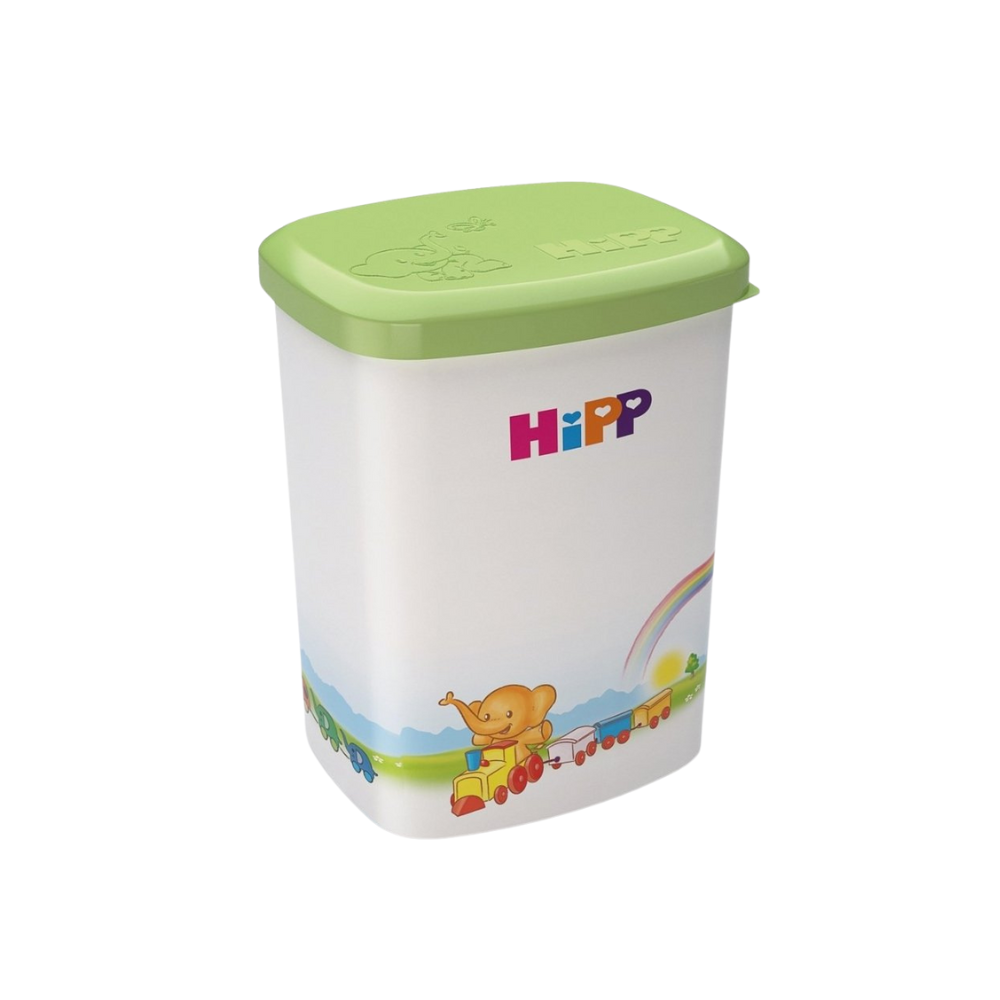
An airtight container helps keep powder fresh and protected from humidity. Our airtight formula storage container is built for exactly this job. For parents who prep bottles on the go, a portable formula portion dispenser keeps each scoop dry and separated until you need it.
Choosing Fresh European Formula for Your Baby
Freshness starts before the can reaches your kitchen. Formula that sits in hot warehouses or crosses long shipping routes can arrive closer to its use-by date.
That is where we come in. Bonpek Baby ships European organic formulas from US stock, so there are no customs holds. We carry brands like HiPP, Holle, Kendamil, and Jovie, which are produced under strict EU standards.
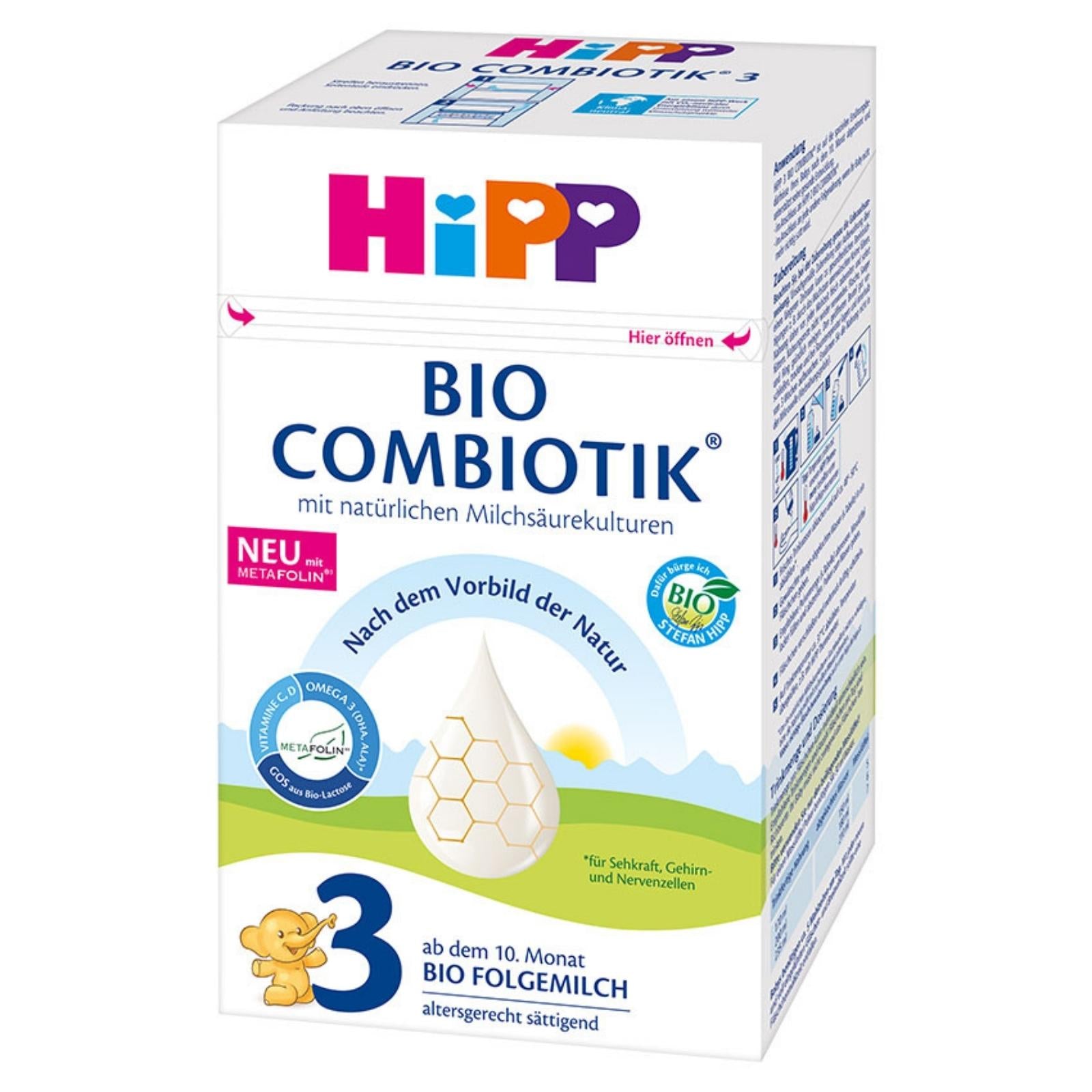
Ready to restock with a fresh can? You can shop HiPP Stage 3 German organic formula or read our comparison of the best European baby formulas before you decide.
The real test of formula safety is not one big check. It is the small habits: writing the open date, trusting your nose, and tossing anything that looks off. Those habits protect your baby every single day.
Bonpek Baby makes the supply side easier. We ship from US stock with no customs delays, offer same-day local pickup and delivery in Los Angeles, and offer price matching. Our customer support is responsive and knowledgeable.
Frequently Asked Questions
How do you know if powdered formula has gone bad?
Check for a sour or rancid smell, a color shift, hard clumps that won't break apart, or a gritty texture. Formula that was mixed and left out too long can also smell off or show separation. If anything seems unusual, throw it out. The FDA advises checking formula for changes in color, smell, or taste, and powdered formula is unlikely to spoil if it stays dry and sealed.
Can powdered formula spoil before the expiration date?
Yes. Once you open the container, powdered formula generally should be used within 30 days, even if the expiration date is later. Moisture, a dirty scoop, or leaving the lid off can speed up spoilage. Always check the label for the manufacturer's specific after-opening guidance and store the container in a cool, dry place.
What happens if my baby accidentally drinks spoiled formula?
Watch for vomiting, diarrhea, unusual fussiness, or fever, and call your pediatrician if any appear. Most healthy infants handle a small amount without issue, but spoiled formula can carry bacteria. Note how much was consumed and when, and keep the container or lot number in case your doctor asks. Seek urgent care for severe symptoms like repeated vomiting or signs of dehydration.
How long does a prepared formula bottle last at room temperature?
The CDC advises using prepared formula within 2 hours of mixing, or within 1 hour if your baby has started feeding from the bottle. Throw away any leftover formula after that window. Bacteria multiply quickly at room temperature, so don't save a partially finished bottle for later. Refrigerate unused prepared formula promptly if you're not feeding right away.

Dejar un comentario