







What Happens If Baby Formula Is Seized by Customs
Last Updated: November 19, 2026
Quick Summary
What happens if baby formula is seized by customs is that the shipment is held and you receive an official seizure letter stating the reason and a response deadline. You can then file a petition for relief, abandon the goods, or seek return shipment before the deadline, or you lose the goods by default.
- CBP officers in Philadelphia seized nearly $162,000 worth of mislabeled formula from Germany.
- A separate action seized 588 cases valued at about $30,000.
- Read the seizure notice fully and note the case number and response deadline.
- File your petition with the agency named in the notice, such as the FP&F office.
- Missing the petition deadline forfeits your right to the goods.
Table of Contents
- Why Baby Formula Shipments Get Detained or Seized at the Border
- FDA Requirements for Imported Infant Formula
- What Happens When You Get a Seizure Letter From Customs
- Documents Needed to Import Baby Formula
- How to Appeal a Customs Seizure
- Detention, Refusal of Admission, Seizure, and Forfeiture: What Each Outcome Means
- Buying From US Stock to Avoid Customs Delays Entirely
- Frequently Asked Questions
Why Baby Formula Shipments Get Detained or Seized at the Border
To understand what happens if baby formula is seized by customs, know that the shipment is held because officers believe it breaks import rules. Common reasons include missing English labels, unapproved ingredients, or an active FDA import alert. The formula is not destroyed right away. You usually get a notice first, and you can respond.
That last point matters. Most parents assume a seizure is the end of the story. It is not. It is the start of a process with deadlines, paperwork, and real options.
Bonpek Baby ships European formula from US stock, so there is no border crossing involved in your order.
Customs officers look at three things: the label, the ingredients, and the paperwork. If any one of them falls short, the shipment stops.
Mislabeling, Formulation Differences, and FDA Import Alerts
The label is the first thing that gets checked. Formula made for Europe often has no English-language labeling, and that alone can block admission. US rules require specific nutrition information in English on the package.
Formulation is the second issue. Nutrient levels and scoop sizes differ between European and US versions of the same brand. A scoop that measures differently changes how much powder goes into each bottle.
Third, the FDA keeps an active import alert on formula that appears adulterated or misbranded. That alert gives officers grounds to detain shipments on sight.
Real cases show the scale. US Customs and Border Protection officers in Philadelphia seized nearly $162,000 worth of mislabeled formula from Germany, according to CBP's Philadelphia seizure announcement. In a separate action, officers seized 588 cases valued at about $30,000, as reported in CBP's announcement on unapproved infant formula.
FDA Requirements for Imported Infant Formula
Imported infant formula must meet the same safety and labeling standards as domestic formula. That means registered manufacturers, correct nutrient levels, and English-language nutrition facts. It also means the importer must file prior notice before the shipment arrives.
Miss the prior notice and the shipment is treated as noncompliant from the start. One online seller learned this the hard way and pleaded guilty to smuggling and violating FDA requirements, per the Department of Justice announcement.
The FDA is also tightening standards. It issued a proposed rule to update infant formula nutrient requirements and released new contaminant testing data, according to HHS's announcement on infant formula standards. Testing under Operation Stork Speed continues, per the FDA's Operation Stork Speed page.
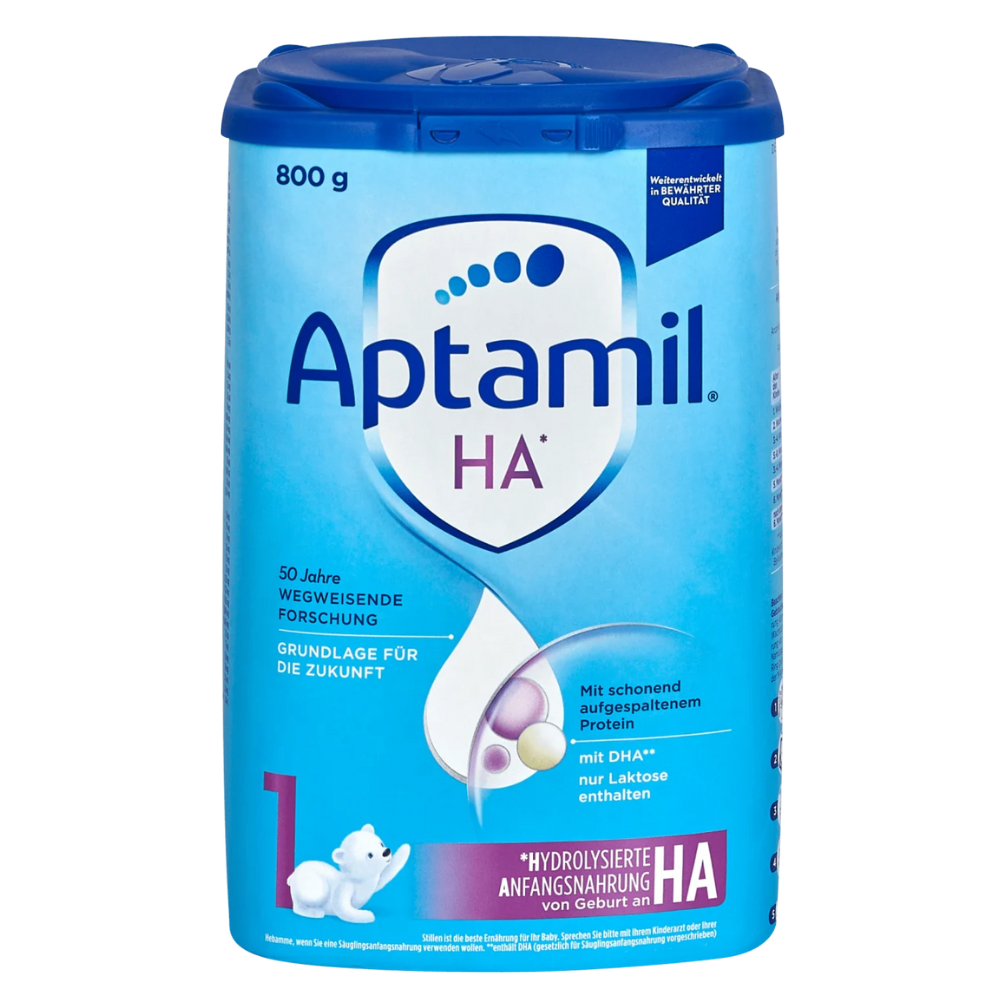
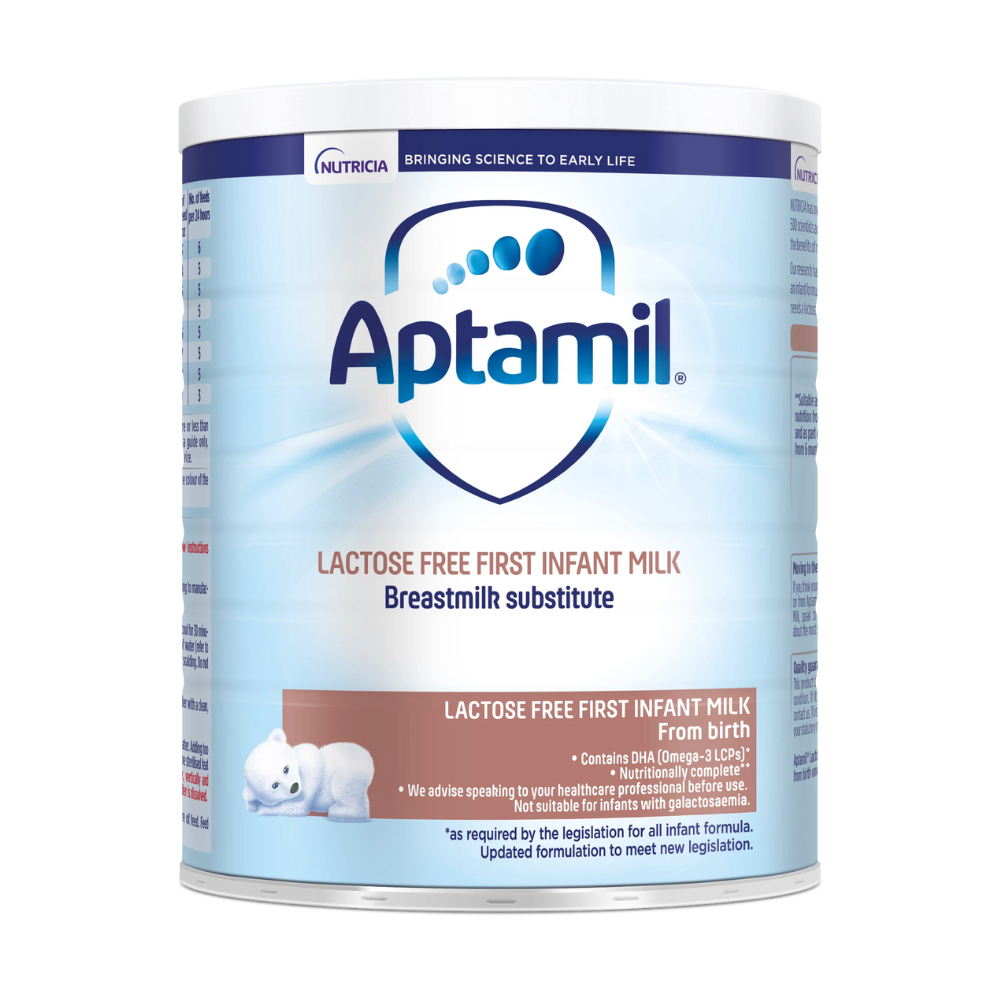
For parents with dietary needs, buying domestically removes the guesswork. You can browse hydrolyzed formulas made for sensitive digestion and lactose-free options that already meet US requirements.
What Happens When You Get a Seizure Letter From Customs
A seizure letter is an official notice telling you the shipment was seized and stating why. It is not a generic warning, it is a legal document that starts a clock. A seizure notice generally identifies the seizing agency, the property seized, and any response deadline. Read it promptly when it arrives.
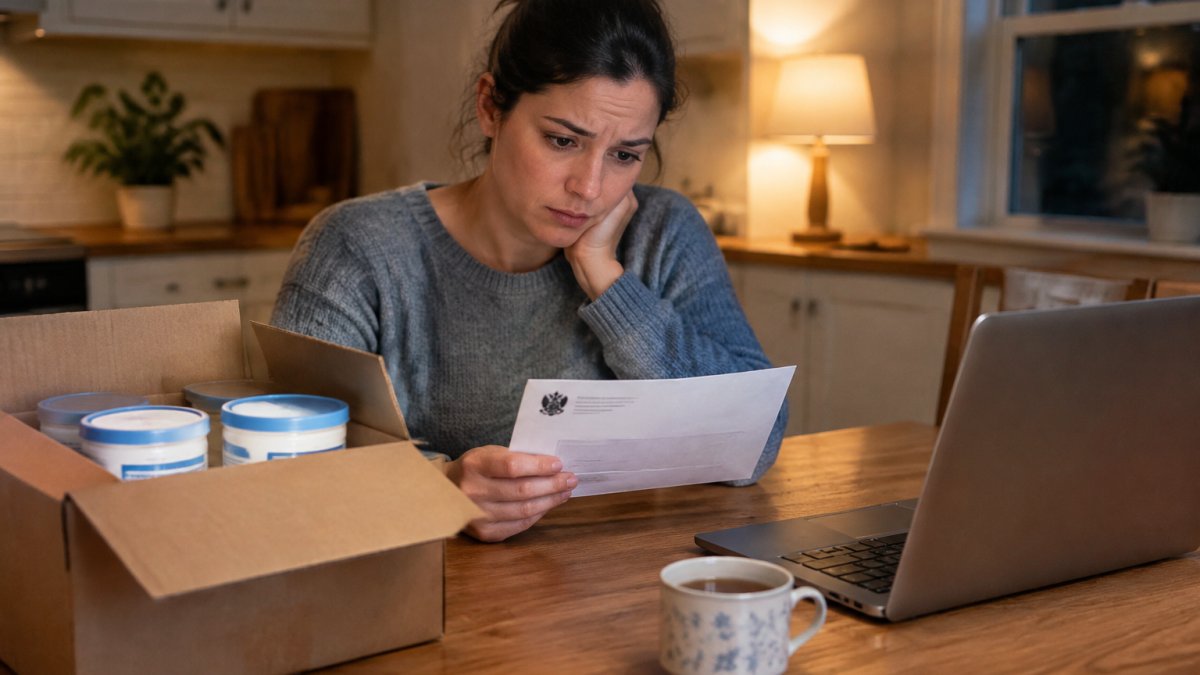
When figuring out what happens if baby formula is seized by customs, the first thing to do is identify who sent it. Most baby formula seizures at the border involve U.S.
Next, read the legal basis. The notice will usually cite a statute or regulation, for example, a violation of the Federal Food, Drug, and Cosmetic Act for misbranding or adulteration, or a failure to file prior notice under FDA rules. That citation tells you what the agency believes is wrong, which shapes your response.
Here is the practical sequence:
- Read the notice fully. Note the seizure date, the seizing agency, the legal basis, the case number, and the response deadline. Deadlines can be short, so check the date on your notice.
- Photograph everything. Keep the envelope, the letter, and any tracking records. Photograph the product labels and packaging if you still have them.
- Gather your documents. Order confirmation, payment receipt, product photos, the full ingredient and nutrition panel, manufacturer name and country of origin, and shipping records.
- Identify the correct office. Use the case number and agency named in the notice. Do not call a general customs hotline without the notice in hand, have the case number ready first.
- Decide your path. You can petition for return of the goods, abandon them, or seek another form of relief. Abandonment ends the process but may avoid storage fees.
- Respond in writing before the deadline. Miss it and you lose the goods by default, and the shipment can be destroyed without further notice.
Watch out: a common mistake is assuming the letter is a final decision. It is an invitation to respond, and the deadline is real. Another mistake is sending documents to the wrong office, always match the case number to the agency and port named in the notice.
If the notice is unclear, contact the agency office listed on the letter and ask for the case file reference. A short, documented phone call to confirm the correct address and deadline can help you avoid misdirected paperwork.
Documents Needed to Import Baby Formula
The documents needed to import baby formula include proof of purchase, product labels, ingredient lists, and prior notice confirmation. Commercial importers need more: a registered facility, bond, and entry paperwork.
For personal shipments, keep this list ready:
- Order confirmation and payment receipt
- Photos of the product label, front and back
- Full ingredient and nutrition panel
- Country of origin and manufacturer name
- Shipping and tracking records
- The seizure or detention notice, if one arrived
For commercial shipments, add the FDA prior notice filing, entry documents, and importer of record details. Missing any one of these slows the review.
How to Appeal a Customs Seizure
To appeal a customs seizure, you file a petition with the agency that seized the goods, usually within the deadline stated on your notice. The petition explains why the goods should be released or why you should get relief. It needs evidence, not opinion.
The first distinction to understand is between a petition for relief and a request for redelivery. A petition for relief asks the seizing agency to return the goods or reduce the penalty. A request for redelivery is used in some detention and refusal situations to ask that the goods be allowed to be exported or destroyed under supervision instead of forfeited. The notice you received will indicate which path applies. If the notice cites a Fines, Penalties, and Forfeitures (FP&F) office, your petition goes there, not to the port officer who inspected the shipment.
Build your petition around three parts:
- The facts. What you ordered, from whom, when, and for what purpose (personal use versus commercial resale). Include the order confirmation, payment receipt, and shipping records.
- The compliance argument. Show the product meets U.S. requirements, or explain why the error was harmless or correctable. For a labeling issue, attach corrected English-language labels and a description of how they would be applied. For a formulation concern, attach the manufacturer's nutrient analysis and ingredient documentation.
- The remedy you want. Be specific: release of the goods, return shipment to the seller, or a reduced penalty. If you want the goods destroyed rather than forfeited, say so and explain why.
Attach the documents from the section above. Be specific and brief. Officers review many petitions, so a clear one-page argument with an index of attachments beats a ten-page essay.
Watch out: skipping the petition deadline forfeits your right to the goods, and the shipment can be destroyed without further notice. Also, do not assume the seller will refund you automatically, refund terms vary, and a seizure may fall outside a seller's stated policy.
If the appeal fails, ask about return shipment or destruction. Return shipment may be possible if the goods are not adulterated and the seller agrees to accept them; destruction is the default outcome when the goods cannot be lawfully imported. Some importers can also pursue a refund from the seller or a chargeback through their payment provider, depending on the seller's terms and the payment method used. Timelines vary by office.
Detention, Refusal of Admission, Seizure, and Forfeiture: What Each Outcome Means
These four terms describe different stages, and mixing them up leads to bad decisions. Here is how they differ.
| Outcome | What It Means | Who Decides | Your Options |
|---|---|---|---|
| Detention | Goods held for inspection or missing paperwork | Customs officers | Submit documents, wait for release |
| Refusal of admission | Goods denied entry and sent back | Customs officers | Return shipment, reship compliant goods |
| Seizure | Goods taken by the agency with a legal notice | The seizing agency | File a petition, seek relief |
| Forfeiture | Ownership permanently transferred to the government | The agency after deadline | Limited; act before the deadline |
Detention is the mildest outcome. It usually means paperwork is missing or a sample is being tested. Refusal means the goods cannot enter and will go back. Seizure is a formal action with a notice and a deadline. Forfeiture is the final loss of the goods.
The difference between detention and seizure is the single most useful thing to understand. Detention is a hold. Seizure is a case.
Buying From US Stock to Avoid Customs Delays Entirely
One way to avoid customs issues is to order from stock held in the US, which ships domestically and does not require an import.
Bonpek Baby ships orders from US stock, so these orders do not go through customs.
Customers have praised our shipping and support. We are rated 5 out of 5 stars for customer service, and our products are certified EU Organic and Demeter biodynamic.
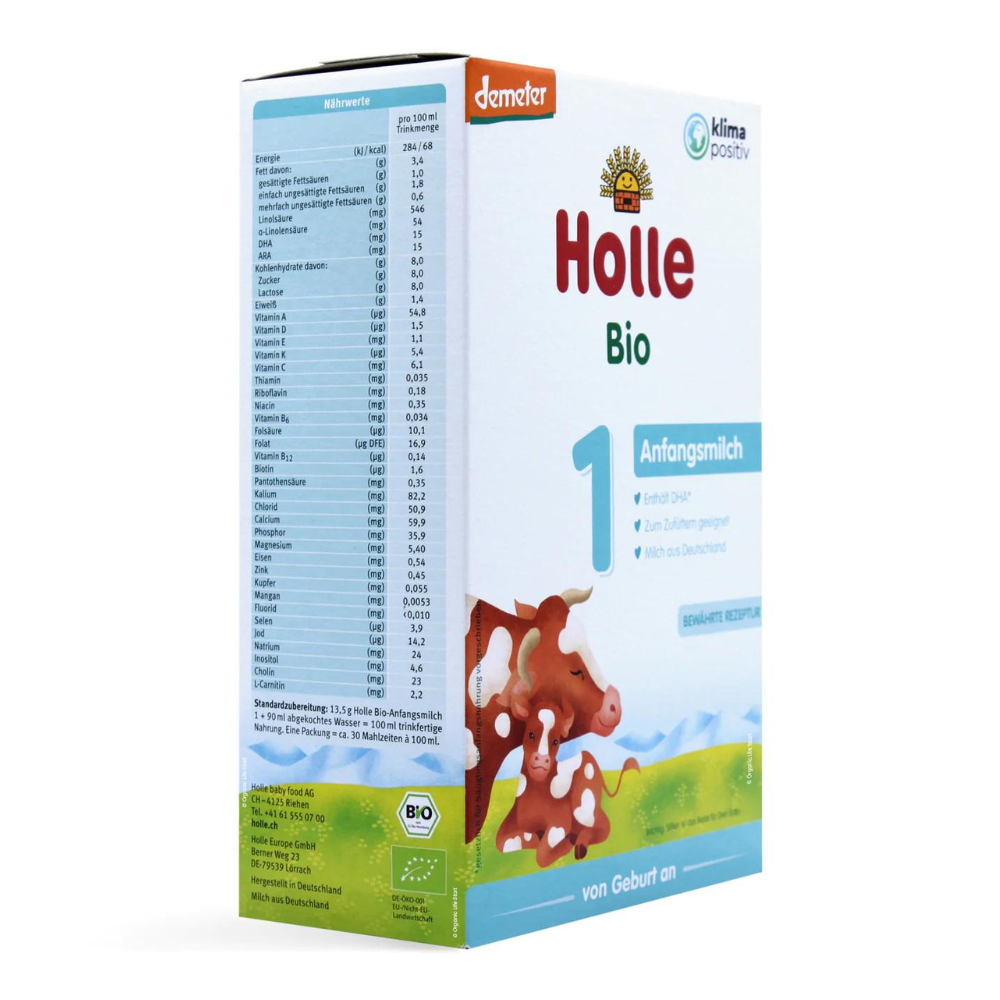
Ready to order from US stock? Browse Holle Stage 1 organic formula, Kendamil Stage 1 organic first infant milk, or Nannycare Stage 1 first infant milk.
Customs seizures are stressful, but they are rarely the end of the road. The real fix is simpler: buy formula that is already here. Bonpek Baby ships premium European formula from US stock, with no customs holds, no import fees, and same-day local pickup and delivery available. Our team is here to help you choose the right stage for your little one.
Get started with Bonpek Baby and feed your baby without the border worry.
Frequently Asked Questions
Will I get a refund if customs seizes my baby formula?
Not from customs. Once formula is seized, the government does not reimburse you for the product. Your options are to appeal the seizure, request return or redelivery where allowed, or accept destruction. Refunds depend entirely on the seller or retailer you bought from, so check their policy before ordering. Many overseas sellers state that customs seizures are the buyer's risk, which is why buying from US stock removes that exposure.
Is it illegal to import baby formula for personal use?
Personal-use imports are not automatically illegal, but they must still meet FDA requirements for labeling, nutrition, and safety. Formula that appears misbranded or adulterated can be detained by customs. CBP has seized mislabeled formula shipments from Germany. Commercial imports face stricter documentation and admissibility rules than a small personal shipment.
How long can customs hold a package of baby formula?
Detention length varies with the review of labeling, samples, and documentation. If the shipment is refused admission, you typically receive a notice explaining the reason and your response window. Respond quickly with the requested documents, because missing the deadline can move the case toward seizure or forfeiture. Tracking the notice number and keeping copies of every submission matters.
Can I appeal a customs seizure of baby formula?
Yes. A seizure notice includes instructions and a deadline for filing a petition or claim. You can submit evidence such as product labels, ingredient lists, manufacturer documentation, and proof of intended use. If the appeal fails, the outcome depends on the notice and the agency's decision.

Leave a comment