







How to Choose Imported Baby Formula: What Parents Must Check
Last Updated: November 11, 2026
Quick Summary
To choose imported baby formula, verify that the exact product is legally marketable in the U.S., vet the seller's sourcing and return policy, and authenticate the can on arrival. Imported formula is not automatically better, so base your choice on verification rather than the label's country of origin.
- A 2026 survey found 60% of parents spend more than $200 per month on formula.
- For a healthy full-term newborn, start with an iron-fortified, cow's-milk-based Stage PRE or Stage 1 formula.
- Confirm the product's U.S. regulatory status, vet the seller, then authenticate the sealed can on arrival.
- A can with a missing or scratched-off lot number cannot be checked against a recall later.
- Compare price per prepared ounce, not per can, since pack sizes change the real value.
Table of Contents
- Why Parents Turn to Imported Baby Formula
- How to Know What Formula to Use for a Newborn
- Best Formula Milk for Baby 0-6 Months: Matching Stage and Nutrition
- How to Choose a Formula for a Breastfed Baby
- The Imported Baby Formula Checklist: Verifying U.S. Status and Authenticity
- Best Baby Formula Recommended Pediatricians Would Approve
- What Imported Formula Really Costs: Price, Shipping, and Tariffs
- Ordering Imported Formula From U.S. Stock: What to Confirm Before You Buy
- Frequently Asked Questions
Why Parents Turn to Imported Baby Formula
Imported baby formula draws parents for one main reason: they want a product that matches what families in Europe feed their babies.
That gap between attention and trust explains a lot. Imported formulas became far more visible in the U.S. market after the 2022 shortage, and Wirecutter's formula guide added imported options in a 2023 update.
Here is the honest answer up front: imported formula is not automatically better. Some imported products may not follow the same regulatory path as domestic formulas.
How to Know What Formula to Use for a Newborn
For a healthy, full-term newborn, a standard cow's-milk-based formula is the right starting point. Infant formula sold in the U.S. must meet federal nutrient requirements.
Three things decide the choice:
- Iron. Iron-fortified formula is standard for a reason. Low-iron products do not protect a newborn.
- Protein base. Cow's milk protein is the default. Goat milk is an option some parents try for gassiness.
- Stage. A "PRE" or Stage 1 product is built for 0-6 months. Stage 2 and 3 are follow-on milks.
Watch out: do not start a specialty formula, such as soy or hypoallergenic, without a pediatrician's input. Those products serve medical needs, not general feeding.
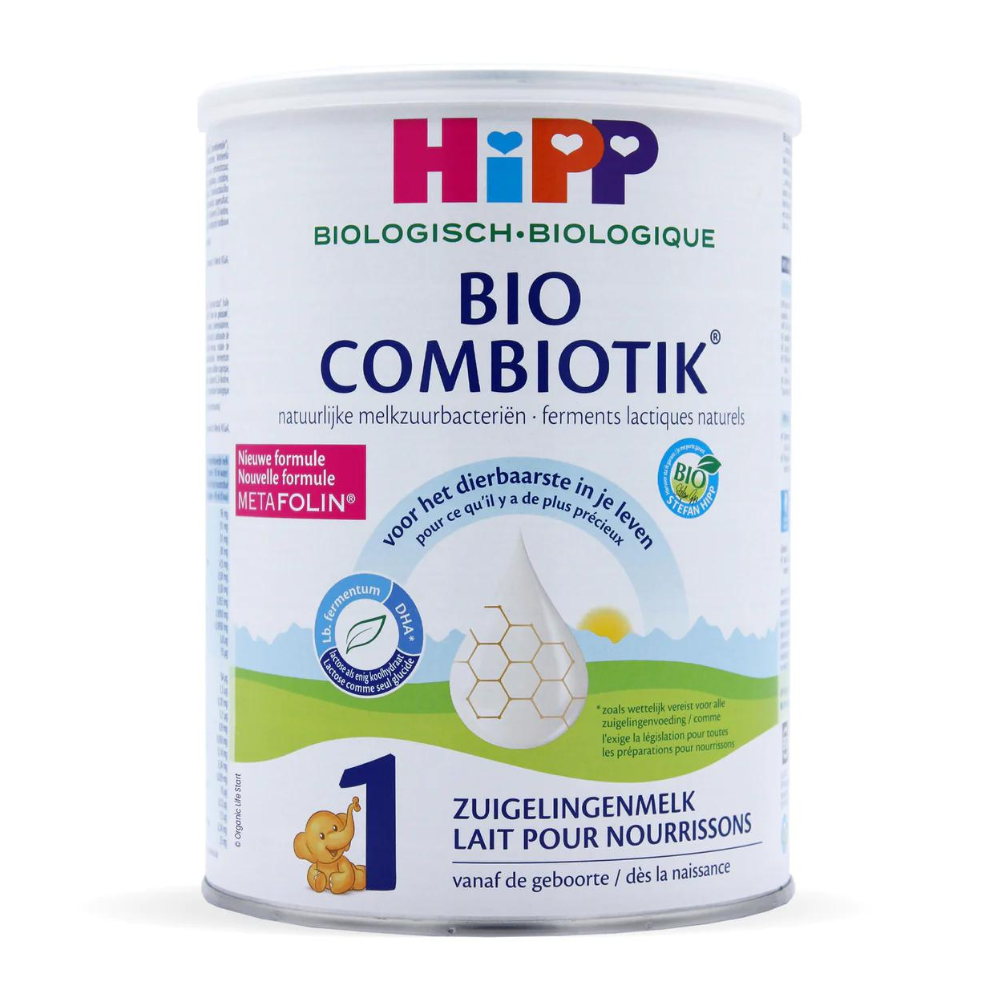
If you want a concrete Stage 1 product to compare against, you can shop HiPP Dutch Stage 1 in an 800g can and read the full nutrition panel.
Best Formula Milk for Baby 0-6 Months: Matching Stage and Nutrition
The best formula for 0-6 months is a Stage PRE or Stage 1 product with lactose as the main carbohydrate and no added starch. That combination is close to breast milk's sugar profile and suits most newborns.
European labels use a stage system that differs by brand and by country of origin. HiPP's Dutch line runs four stages in 800g cans, while the German line runs seven stages in 600g boxes with a PRE step before Stage 1.
Nutrition details worth checking on any can:
- DHA source. Fish oil or microalgae, both fine.
- Prebiotics. GOS made from lactose is common in European organic lines.
- Palm oil. Some parents avoid it; some organic lines leave it out.
- Carbohydrate. Lactose only is the cleanest signal of a first-stage product.
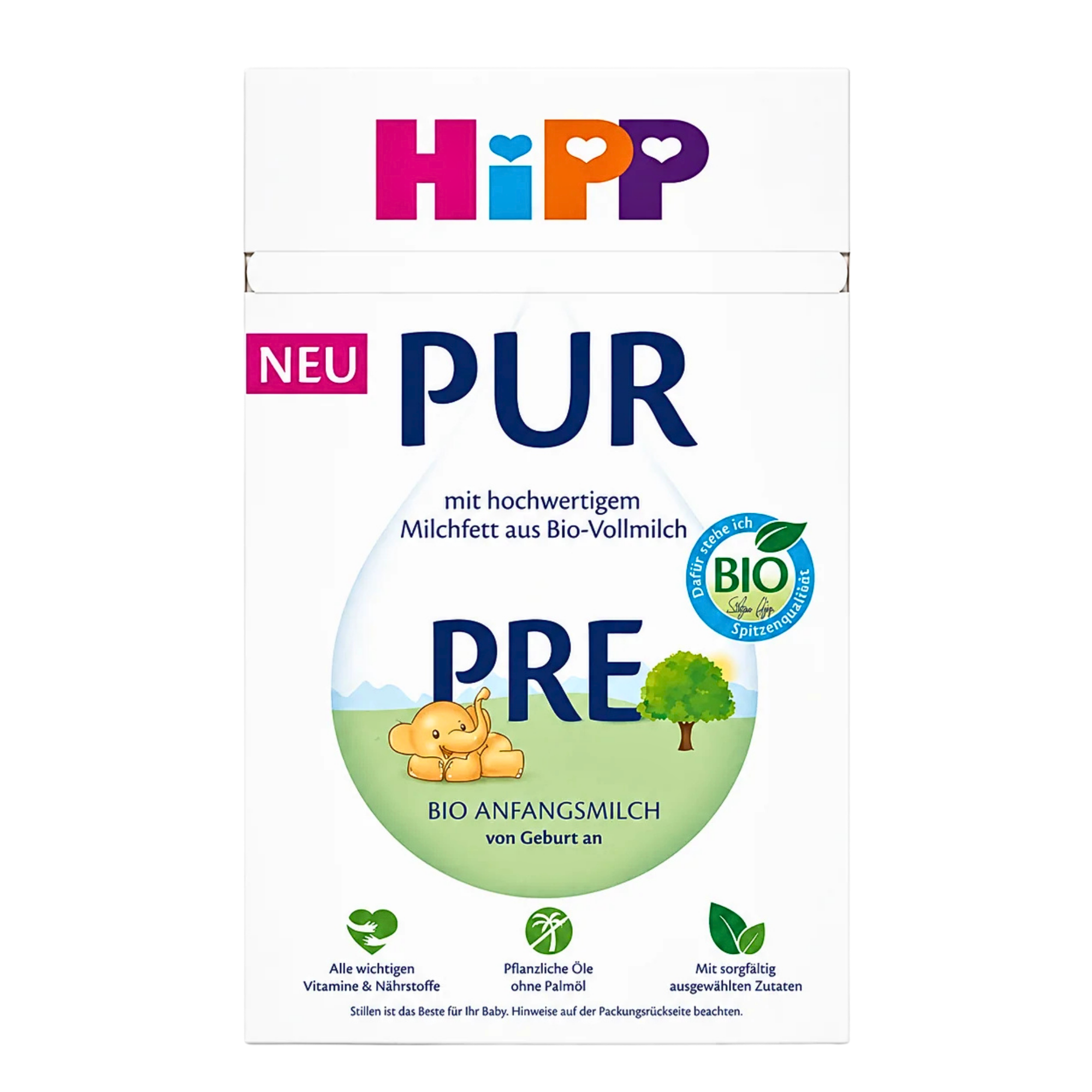
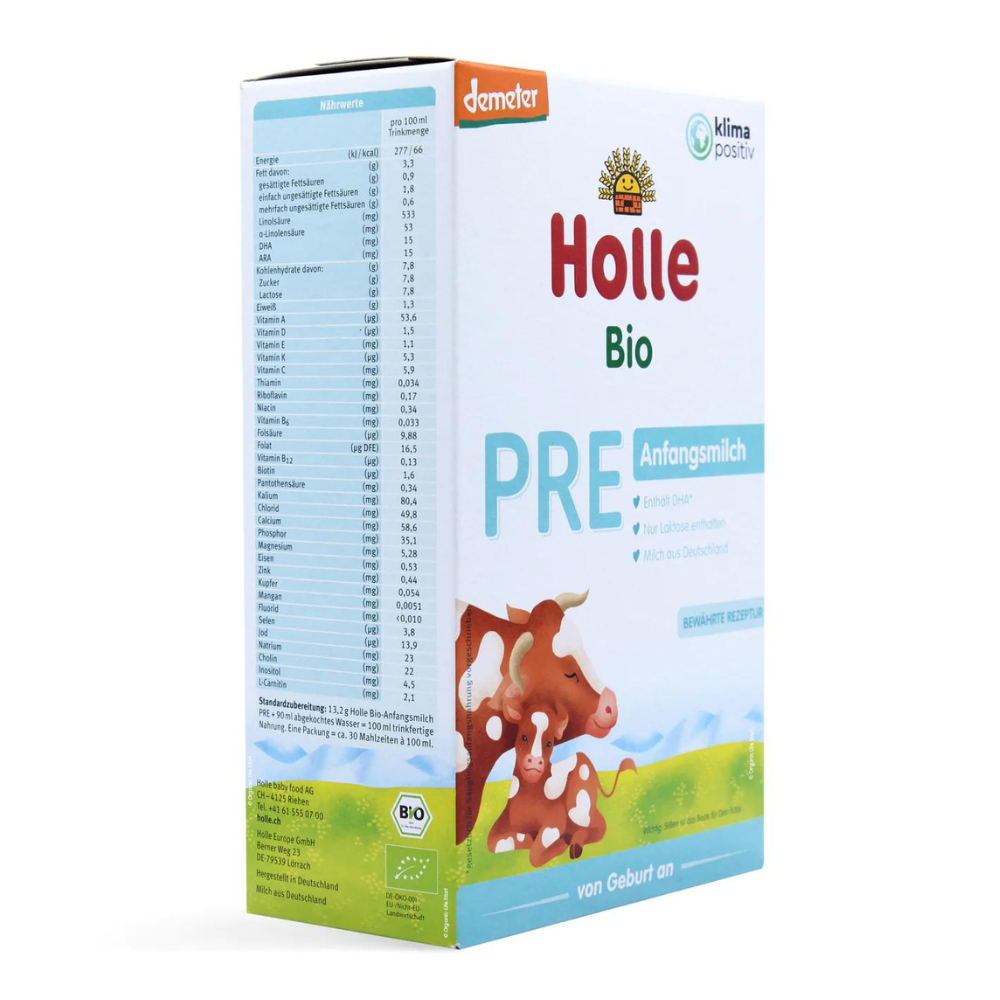
Two 0-6 month options we stock: HiPP PUR Stage PRE organic infant formula in a 500g German whole milk version, and Holle PRE organic infant formula in a 400g biodynamic can. Compare the labels side by side before you commit to a brand.
How to Choose a Formula for a Breastfed Baby
A breastfed baby who gets formula as a top-up needs a product that is easy to switch between. The goal is a gentle base with a familiar taste profile, so the baby accepts both.
Lactose-only Stage 1 formulas work well here. So does goat milk for babies who seem unsettled on cow's milk. Holle's Dutch goat line uses lactose as its only carbohydrate, and goat milk contains A2 beta-casein.
A few practical notes for combo feeding:
- Introduce one bottle at a time, not a full day's worth.
- Mild digestive changes, such as gas or a shift in stool, can occur for a few days during a transition.
- Keep the scoop from the same can. Scoop sizes differ between brands.
If you want a goat milk Stage 1 to consider, you can view Holle Stage 1 goat milk formula and check the preparation instructions on the listing.
The Imported Baby Formula Checklist: Verifying U.S. Status and Authenticity
Verifying imported baby formula means confirming three things in order: that the product is legally marketable in the United States, that the seller is legitimate, and that the specific can in your hands is authentic. The FDA states that infant formula sold in the U.S., whether made domestically or imported, must meet U.S. requirements (FDA Infant Formula Homepage). The practical question is how you confirm it for the can you are about to buy.
Step 1: Confirm the product's U.S. regulatory status
Start with the manufacturer, not the seller. A formula that is legally marketed in the U.S. must meet applicable U.S. requirements. Ask the seller one direct question: "Is this exact product legally marketed in the U.S., and under which pathway?" A vague answer is your signal to walk away.
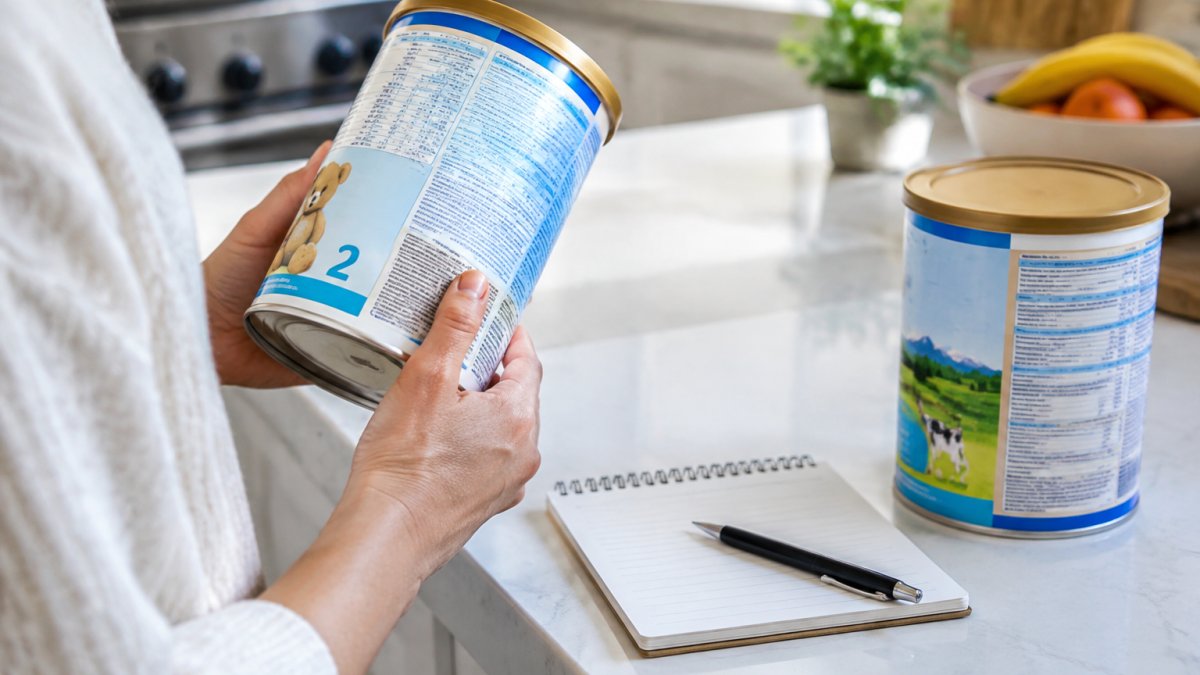
Then check the label itself. Look for a Nutrition Facts panel, a U.S. contact for the manufacturer or distributor, and English-language preparation instructions. A can with only a foreign-language label and no U.S. contact information is a product bought through informal channels, not a product verified for the U.S. market.
Step 2: Vet the seller
A legitimate seller can answer four questions without hesitation:
- Where does the stock ship from? U.S. stock means no customs hold between you and the can.
- Which exact version is it? Dutch, German, and British lines differ in pack size, stage numbering, and label language.
- How fresh is the stock? Ask for the restock cadence and the expiration window on what ships today.
- What is the return policy on a consumable? Policies vary, and you want the answer before you order.
Ask the seller whether they import directly or buy through distributors, and expect a plain answer.
Step 3: Authenticate the can on arrival
Run this checklist the day the box arrives, before the first bottle:
- The can is sealed, with no dents, bulging, or damaged seams
- The lot number and expiration date are intact and legible
- The preparation instructions match the scoop in the box
- The label language and version match what the listing promised
- The seller can trace the stock back to a named source
Watch out: a can that arrives with a missing or scratched-off lot number cannot be checked against a recall later, so treat it as a return, not a bargain.
Step 4: Decide what to do with a product that fails a check
If the product fails the U.S.-status check, do not feed it. If it fails the seller or authenticity check, contact the seller before opening the can, because an opened consumable is usually not returnable. If you have already opened it and something looks wrong, stop feeding and call your pediatrician.
The goal of this checklist is not to talk you out of imported formula.
Best Baby Formula Recommended Pediatricians Would Approve
The formulas pediatricians tend to approve are the boring ones: iron-fortified, age-appropriate, and made by a manufacturer with a clear safety record. Fancy origin does not beat a solid nutrient profile.
What a pediatrician will ask you:
- Is the baby healthy and full-term, or premature?
- Is there a diagnosed milk allergy or lactose intolerance?
- Has the baby shown gassiness or reflux?
- Is the baby on breast milk, formula, or both?
For a baby with reflux, a deeper look at organic options helps. We publish a guide to the best organic formula for babies with reflux that walks through thickeners and protein bases.
Talk to your pediatrician before any switch driven by symptoms. That is not a disclaimer, it is the fastest way to avoid weeks of trial and error.
What Imported Formula Really Costs: Price, Shipping, and Tariffs
The sticker price is only part of the total cost of imported baby formula. Shipping, possible tariffs, and the risk of a customs delay can all add to the total cost.
Here is how the costs stack up:
| Cost Factor | What to Expect | How to Reduce It |
|---|---|---|
| Can price | Varies by brand and stage | Compare price per prepared ounce, not per can |
| Shipping | Higher when shipped from overseas | Buy from U.S. stock |
| Tariffs and import fees | Can apply to direct overseas orders | Avoid direct import where possible |
| Customs delay | Days to weeks, no guarantee | Choose a U.S.-based seller |
| Spoiled or lost shipment | Full replacement cost | Confirm the seller's policy first |
A $38.99 can that arrives in three days can cost less in real terms than a cheaper can stuck in customs for two weeks while you buy emergency formula locally. Price per prepared ounce is the honest comparison, and pack size changes it. A 400g can and an 800g can are not the same value even at similar prices.
Ordering Imported Formula From U.S. Stock: What to Confirm Before You Buy
Ordering from U.S. stock removes the two biggest headaches: customs delays and surprise import fees. That leaves a shorter list of things to confirm.
Ask the seller these questions:
- Where does the stock ship from? U.S. stock means no customs hold.
- Which version is it? Dutch, German, and British lines differ in pack size and stage numbering.
- How fresh is the stock? Ask about restock frequency and expiration dates.
- What is the return policy? Formula is a consumable, so policies vary.
- Can you verify authenticity? Sealed cans, intact lot numbers, and a clear supply chain.
A common mistake is assuming every U.S.-based seller imports directly. Some buy from distributors. Neither is automatically wrong, but you deserve a straight answer.
Choosing imported baby formula comes down to verification, not brand loyalty. The can has to meet U.S. requirements, the stage has to fit your baby's age, and the seller has to be honest about stock and sourcing. Bonpek Baby ships European organic formula from U.S. stock, with no customs holds.
Frequently Asked Questions
Is European baby formula better than American formula?
Not automatically. Infant formula sold in the U.S., whether made domestically or imported, must meet federal nutrient requirements, and the FDA states there is no scientific evidence that imported formulas are better for babies. European brands may use different ingredients, such as no palm oil or starch-free recipes, which some parents prefer. The deciding factors should be your baby's age, tolerance, and a pediatrician's advice, not the country on the can. Verify the seller and the product before buying.
How can I tell whether imported baby formula is safe and authentic?
Check three things. First, confirm the seller ships from U.S. stock and can explain how the product entered the country. Second, match the lot number on the can to the manufacturer's recall notices, since recall news matters to many parents. Third, inspect the seal, the expiration date, and the label language. A legitimate imported baby formula will have an intact seal, a clear expiration date, and preparation instructions you can read or translate. If a seller cannot answer where the stock came from, walk away.
What should I check on an imported formula label before buying?
Look for the stage number and age range, the ingredient list, the nutrition label, and the preparation instructions. Scoop size matters most: a European scoop may not equal a U.S. scoop, so follow the ratio printed on that specific can rather than a generic chart. Check that the can lists iron and other essential nutrients, and confirm the expiration date is well ahead. If the label is in a foreign language, translate the mixing ratio before the first feed, because a wrong ratio can cause digestive changes or gassiness.
Can I use European formula for a newborn?
Yes, if the product is a stage designed from birth, such as a PRE or Stage 1 formula. Options like HiPP PRE and Holle PRE are made for newborns from day one. Before switching, talk to your pediatrician, especially if your baby was premature or has medical needs. Some babies need a few days to adjust to a new formula and may show mild gas or stool changes, . Introduce the new formula gradually and watch for reactions rather than switching abruptly.

Leave a comment